
IV Therapy
IV Therapy in Miami Lakes: Benefits, Myths and What to Expect
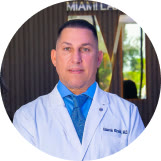
By Dr. Eduardo Elizalde, MD, MSc
Published on October 12, 2026

IV therapy has gone from hospital rooms to wellness menus, and with that popularity came a lot of confusing claims. As a physician, I like to keep it simple: IV therapy is a medical tool. Used for the right person and supervised by a medical team, it can be a helpful part of feeling your best. Here is what it really does, what it does not do, and what to expect if you decide to try it.
What is IV therapy and how does it work?
IV (intravenous) therapy delivers fluids, vitamins, minerals and other nutrients directly into your bloodstream through a small catheter placed in a vein. Because it bypasses the digestive system, your body does not depend on how well your stomach and intestines absorb what you take in.
A typical drip combines a sterile fluid base with ingredients such as vitamin C, B-complex vitamins, B12, magnesium or zinc. The well-known Myers' Cocktail is one example of this kind of blend. At Miami Lakes Medical Center, the formula is chosen after a medical review, so what goes in the bag makes sense for your health history and your goals.
Real benefits: where IV therapy can help
IV therapy is not magic, but it does have practical uses. Depending on your situation, your provider may consider it to support:
- Hydration — replacing fluids and electrolytes after a stomach illness, intense exercise, long travel or a hot South Florida day.
- Nutrient levels — helping correct certain deficiencies, especially in people who have trouble absorbing vitamins by mouth.
- Energy and recovery — some patients report feeling less fatigued and recovering better when dehydration or low nutrient levels were part of the problem.
- General wellness — as a complement to, never a replacement for, good nutrition, sleep and regular medical care.
Results vary from person to person. How you feel afterwards depends on what your body actually needed in the first place, which is exactly why an evaluation comes before the drip.
Common myths, cleared up
A few ideas come up again and again in my office. Let's put them in perspective:
- "IV therapy cures diseases." It does not. It can support hydration and nutrition, but it is not a treatment for chronic illness and it does not replace your medications.
- "More vitamins are always better." Your body uses what it needs and eliminates much of the rest. The right dose matters more than a bigger dose.
- "It is completely risk-free." IV therapy is generally well tolerated, but it is still a medical procedure. Bruising or irritation at the site can occur, and certain heart, kidney or other conditions call for extra caution.
- "Anyone can get any drip." A responsible clinic reviews your history, medications and allergies first, and sometimes the honest answer is that a drip is not the best option for you.
- "It replaces healthy habits." No drip makes up for poor sleep, an unbalanced diet or skipped check-ups.
What to expect at your visit
Knowing the steps makes the experience much more comfortable. A supervised IV session at our clinic usually looks like this:
- A brief medical review of your health history, current medications, allergies and vital signs.
- A personalized recommendation — we explain which drip, if any, fits your needs, and answer your questions.
- The infusion — a trained professional places a small IV in your arm. You may feel a quick pinch, then you simply relax in a comfortable chair, usually for about 30 to 60 minutes.
- Monitoring and aftercare — our team checks on you throughout, and most people return to their normal routine right away.
Tell us beforehand if you are pregnant, have a heart or kidney condition, or take prescription medications, so we can make the safest decision together. If you are curious whether IV therapy makes sense for you, the best first step is a conversation with a medical professional who knows your whole picture.
Ready to take the next step?
Book a consultation at Miami Lakes Medical Center and get a personalized plan for your health.
Book your appointmentThis article is for information only and does not replace professional medical advice. Talk to your doctor about your specific case.