
Primary Care
Why a Primary Care Doctor Is Your First Line of Defense for Long-Term Health
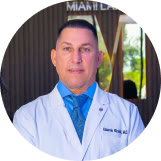
By Dr. Eduardo Elizalde, MD, MSc
Published on September 28, 2026

Many people only see a doctor when something hurts. But the most powerful health decision you can make often happens when you feel fine: having a primary care doctor who knows you, follows your health over time and helps you catch small problems before they become big ones.
What a primary care doctor actually does
Your primary care physician (PCP) is the doctor who looks after your health as a whole, not just one organ or one symptom. Think of them as your home base in the healthcare system.
A good primary care relationship usually covers:
- Preventive care — annual check-ups, age-appropriate screenings and vaccines.
- Everyday concerns — infections, aches, fatigue, sleep problems and other issues that come up during the year.
- Chronic conditions — ongoing support for high blood pressure, diabetes, high cholesterol, thyroid problems and more.
- Coordination — referring you to the right specialist when you need one and keeping all the pieces of your care connected.
Because your PCP sees the full picture, they can connect details that might otherwise slip through the cracks.
Prevention and early detection: the real advantage
Some of the most common health problems develop quietly. High blood pressure, prediabetes and high cholesterol often cause no symptoms at all in the early stages, yet over the years they can raise the risk of heart disease, stroke and kidney problems.
Regular visits give your doctor the chance to spot these changes early, when simple steps such as adjusting nutrition, increasing activity, improving sleep or starting treatment when appropriate tend to work best. Depending on your age, sex and history, your check-up may include blood work, blood pressure checks and screenings your doctor recommends for you.
Common checks your doctor may discuss with you include:
- Blood pressure — measured at every visit, because it can rise without warning signs.
- Blood sugar and cholesterol — simple lab tests that help assess your risk for diabetes and heart disease.
- Cancer screenings — such as colon, breast, cervical or prostate screening, based on your age and risk factors.
- Mental health — a quick check-in on stress, mood, anxiety and sleep, which are part of your health too.
Finding something early does not mean something is wrong. Most of the time, it simply means you have more options and more time to act.
One team that knows your whole story
When you see a different provider every time, you repeat your history again and again, and important patterns can be missed. A primary care doctor who follows you over time notices when your weight, your energy, your labs or your mood start to change.
That continuity also makes care safer. Your PCP keeps track of your medications, your allergies and the recommendations from other specialists, which helps avoid duplicated tests and harmful drug interactions.
- Better communication — you can talk openly with someone who already knows you.
- Personalized advice — recommendations based on your life, not a generic checklist.
- Less guesswork — your history is in one place when you need care.
Getting the most from your visits
A little preparation goes a long way. Before your appointment, write down any symptoms or questions, bring a list of your medications and supplements, and know your family health history if you can. Be honest about habits like smoking, alcohol, stress and sleep, since they matter as much as any test.
At Miami Lakes Medical Center, our primary care team takes the time to listen, explains your results in plain language and builds a plan that fits your goals. Whether you are due for a check-up, managing a chronic condition or simply want a doctor you can count on, we are here to be your first line of defense for long-term health.
Ready to take the next step?
Book a consultation at Miami Lakes Medical Center and get a personalized plan for your health.
Book your appointmentThis article is for information only and does not replace professional medical advice. Talk to your doctor about your specific case.